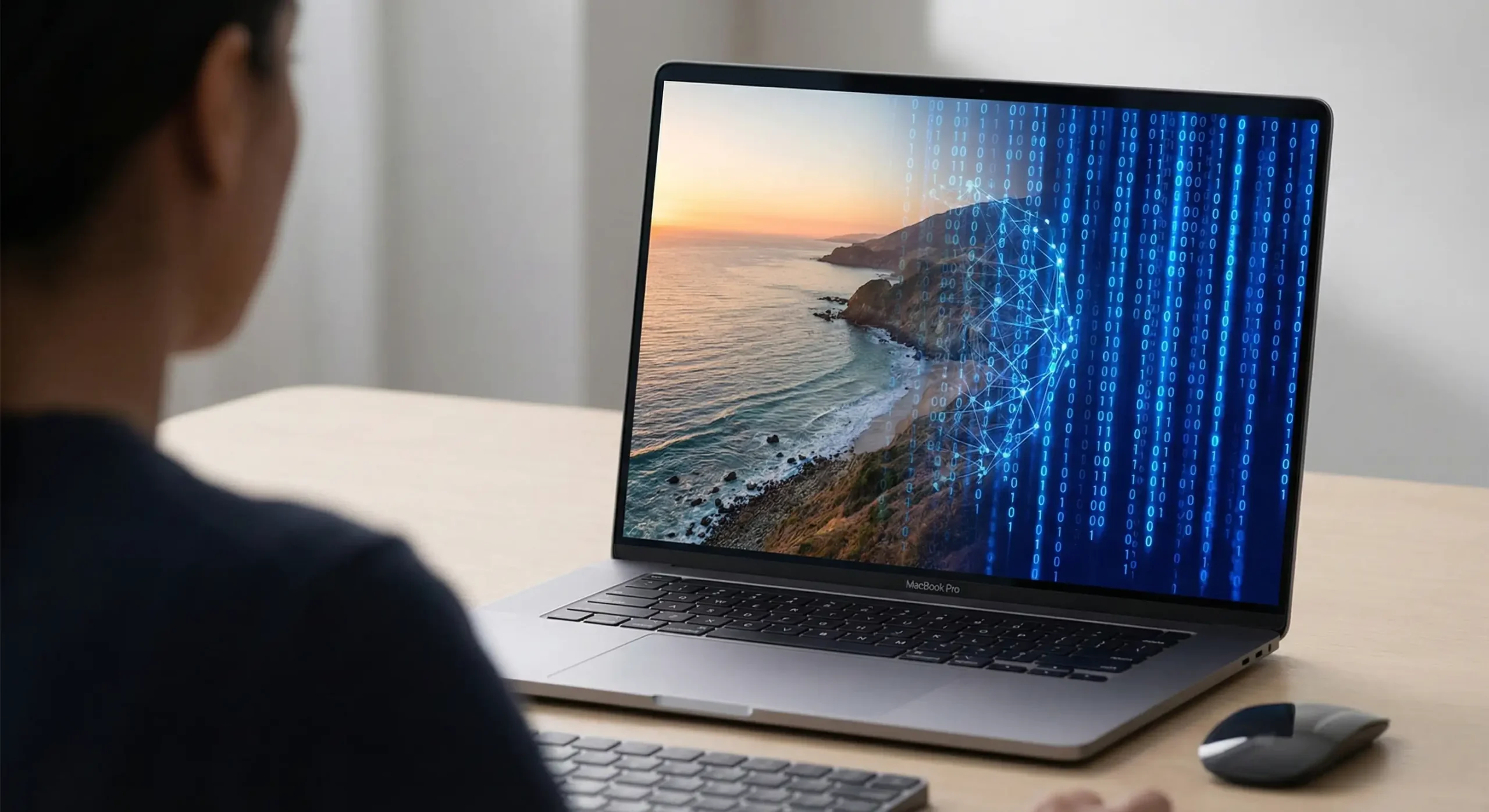
AI in design and marketing
Artificial intelligence has transformed the way we work in both design and marketing. From generating code to producing compelling visuals and written content, AI tools are reshaping workflows and opening new creative possibilities.
But has AI completely replaced specialists? Not exactly. Instead, it has become a powerful force multiplier, automating routine tasks, enabling hyper‑personalisation, and accelerating output in ways that would have been hard to imagine just a few years ago.
In this post we discuss how AI is influencing design and marketing today, why quality still requires that specialist touch, and what the future might hold as tools continue to evolve.
AI: A Positive Influence on Creative Workflows
Whether you’re a designer, developer, content creator, or marketer, the rise of AI has meant one thing: you can work smarter, not harder. Tools powered by AI are helping teams push beyond traditional bottlenecks:
- Design generation (from concept to visuals)
- Image creation and editing
- Automated code snippets
- Content drafting and rewriting
- Audience insights and segmentation
- Hyper‑personalised messaging
This is not about replacing talent. Instead, AI acts as a tool that amplifies what these teams can do, handling repetitive work and leaving more space for strategy, creativity and problem solving.
AI Tools That Are Changing the Game
Over the past few years, we’ve seen massive leaps in the capabilities of generative systems. Popular tools such as Midjourney, ChatGPT, Gemini, Claude, SORA and Adobe Firefly, among many others, have improved dramatically in speed, quality and usability.
Each system is getting better and more functional, meaning that the quality of output possible from AI tools today would have been unthinkable just a few years ago.
Where AI Excels—and Where It Still Needs Humans
AI is excellent at:
- Automating repetitive or time‑consuming tasks
- Prototyping ideas quickly
- Generating multiple variations at scale
- Helping teams iterate faster
However, AI isn’t error-free. It still requires human input to guide creative direction, context and quality control. For example:
- It can generate a draft image, but a designer must refine it to align with brand strategy, guidelines and overall look and feel.
- AI can suggest content ideas, but a marketer’s insight is needed to make the messaging effective and on‑brand.
- An AI‑generated layout may look good, but usability and accessibility decisions still benefit from human judgement. Plus it’s still quite easy to pick an AI generated image over good quality graphics or photography.
- This blend of AI efficiency and human creative oversight is where the best outcomes occur.
AI and Hyper‑Personalisation
One of the most exciting things AI brings to the table is the ability to make everything feel more personal. Instead of sending the same message to everyone, AI can help tailor content, visuals and experiences to suit different types of people based on what they’re actually interested in. It’s like moving from a one-size-fits-all approach to a made‑to‑measure experience, and it’s changing how brands connect or generate communications that resonate with their audiences.
Does AI Mean the End of Specialists?
There’s discussion in many industries about whether AI will replace specific roles entirely. The short answer? Not right now. Some tasks may become less human‑intensive, but expertise is still essential for:
- Strategic decision making
- Creative direction
- Brand‑specific messaging
- Complex problem solving
- Understanding nuanced human behaviour
In the next five years, as agentic AI evolves (meaning systems that can act with greater autonomy) the landscape may shift further. But even then, the need for human judgement, emotional intelligence and creative strategy will remain central.
AI as a Tool, Not a Replacement
Right now, AI is at its best when used as a partner, not a substitute. It accelerates workflows, reduces mundane work, and even sparks new creative ideas, but it doesn’t exactly replace the need for experienced designers, writers, marketers or strategists.
In many ways, that’s the ideal balance: humans set the direction and purpose, and AI helps push projects forward faster.
What This Means for Your Business
If your team is already experimenting with AI, you’re likely seeing benefits:
- Faster content production
- More design iterations in less time
- Insights that inform smarter decisions
- Enhanced personalisation at scale
If you haven’t started yet, there’s never been a better time to explore. The key is to integrate AI thoughtfully, using it to enhance your strengths rather than expecting it to solve everything instantly.
The Future of AI in Design and Marketing
As AI continues to improve its quality and autonomy, we can expect:
- More sophisticated tools that understand context better
- Increased automation of routine marketing tasks
- Closer integration between data, design and content systems
- Expansion of creative possibilities and content creation previously limited by time or cost
While the tools evolve rapidly, the core principle remains the same: creativity, strategy and human insight drive meaningful outcomes, with AI acting as a powerful assistant along the way.
Want to see how AI could supercharge your workflow? Chat with Cloud Cartel about how we can help you integrate the right tools into your design or marketing process.
